


If you spend time outdoors, you have probably seen or heard about tarps. But have you ever heard of a tarnplanen? It may sound like a complicated word, but it is actually a very useful piece of gear that many people use every day. From hunters and campers to soldiers and farmers, tarnplanen are used all over the world.
What Does the Word “Tarnplanen” Mean?
The word tarnplanen comes from the German language. It is made up of two parts. “Tarn” means camouflage or to hide. “Planen” means tarps or covers. So, when you put them together, tarnplanen simply means camouflage tarps or covers used for hiding.
Unlike regular tarps, which are often bright blue or orange and very easy to see, tarnplanen are made with colors and patterns that help them blend into nature. Think of greens, browns, greys, and other natural colors. This is what makes them different and special.
A Short History of Tarnplanen
Tarnplanen have been around for a long time. Their story begins in the military.
During World War I, soldiers started to realize that being seen by the enemy could be very dangerous. They began using simple covers and paint to blend into their surroundings. This idea grew bigger and more important in World War II, when German forces started producing large numbers of camouflage tarps to hide their vehicles, tents, and equipment from enemy aircraft and soldiers.
After the war ended, many of these military tarps were sold as surplus gear. Ordinary people started to discover how useful they were. Hunters, farmers, hikers, and outdoor lovers began buying and using them. Over time, companies started making tarnplanen specifically for civilian use, and the product became more popular around the world.
Today, tarnplanen are available in many different sizes, colors, and materials. They are used in many countries, not just Germany.
What Are Tarnplanen Made Of?
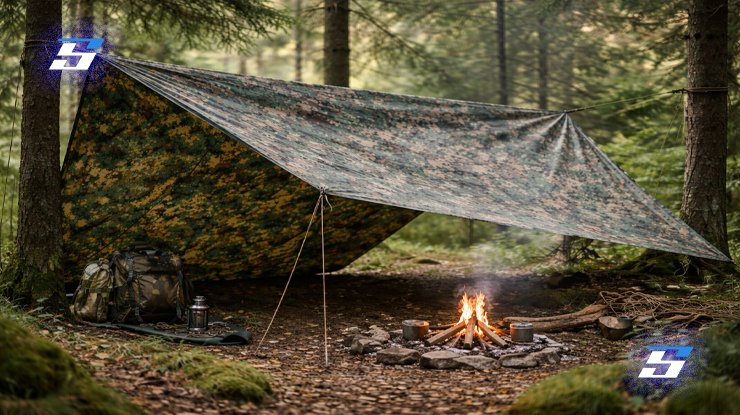
The material used to make a tarnplanen is very important. It decides how strong, light, and waterproof the tarp will be.
Here are the most common materials used:
Ripstop Nylon is a very popular choice. It is light and strong. The special weave in the fabric stops small tears from getting bigger, which is why it is called “ripstop.” This material is great for people who go hiking or camping.
Canvas is a heavier and thicker material. It has been used for many years because it is very durable. Canvas tarnplanen are great for long-term use, but they can be heavy to carry.
Polyester is another common material. It is lighter than canvas and holds up well in different weather. Many everyday tarnplanen are made from polyester.
PVC-Coated Fabric is one of the best materials for waterproofing. PVC stands for polyvinyl chloride, which is a type of plastic coating. When added to fabric, it makes the tarp completely waterproof. It also protects against mold and UV rays from the sun.
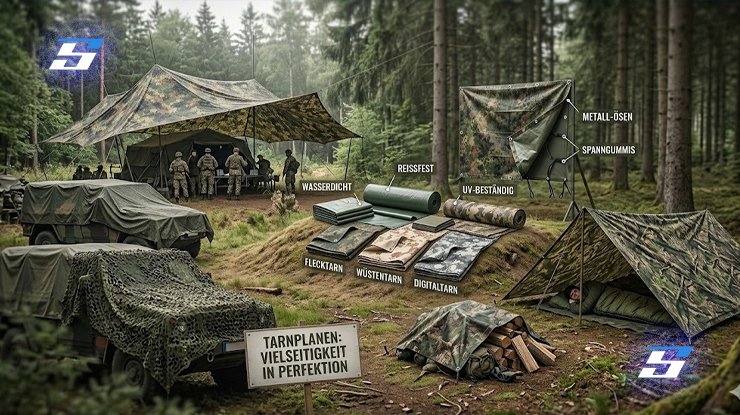
Most quality tarnplanen also have reinforced grommets, which are the metal rings along the edges. These let you tie the tarp to trees, poles, or other objects without tearing the fabric. Double-stitched edges also help the tarp last longer.
What Are the Different Camouflage Patterns?
One of the most interesting things about tarnplanen is the wide range of camouflage patterns they come in. Different patterns work best in different places.
Woodland patterns use greens and browns. They blend well in forests, fields, and any green environment. This is the most common type and works well in many parts of Europe and North America.
Desert patterns use tan, beige, and light brown colors. They are made for dry, sandy environments like deserts or dry grasslands.
Arctic or Winter patterns use white and grey colors. These are made for snowy places where white is the main color of the landscape.
Digital or Multicam patterns use small, pixelated shapes that help the tarp blend into many different environments at once. These are often used by modern military forces.
Some tarnplanen are reversible, meaning they have two different patterns. You can flip the tarp depending on where you are. This is a great option if you travel to different types of terrain.
How Can You Use a Tarnplanen?
This is where tarnplanen really shine. They are incredibly versatile, which means you can use them in many different ways.
Camping and Hiking
One of the most popular uses is in outdoor activities. A tarnplanen can be set up as a shelter over your sleeping area to protect you from rain. You can also use it as a ground cover to keep moisture from coming up through the floor of your tent. If you need to store your backpack or food outside, a tarnplanen can keep it dry and protected.
Hunting and Wildlife Watching
Hunters have used camouflage covers for a very long time. A tarnplanen helps you stay hidden from animals, which makes it much easier to get close to wildlife. Wildlife photographers and researchers also use them to observe animals without scaring them away.
Military and Tactical Use
This is where tarnplanen started. Soldiers use them to hide camps, vehicles, and equipment from enemy eyes. In modern warfare, drones and satellites can spot things from the sky. A good camouflage tarp makes it much harder for enemies to find important targets.
Storage and Transport
You do not need to be a soldier or a hunter to find a tarnplanen useful. Many farmers and construction workers use them to cover machinery, vehicles, or building materials. They protect against rain, sun, and dust. If you are transporting something in the back of a truck, a tarnplanen keeps it safe and secure.
Emergency Situations
A tarnplanen can be a lifesaver in an emergency. If you are stuck outdoors during bad weather, you can use it to build a quick shelter. It can also be used as a windbreak, a ground mat, or even a stretcher if someone gets hurt.
Why Choose a Tarnplanen Over a Regular Tarp?
You might be wondering: why not just buy a regular tarp? That is a fair question. Here are a few good reasons to choose a tarnplanen instead.
First, the camouflage design is a big advantage. A bright blue or orange tarp is easy to spot, which can be a problem if you want to stay hidden or if you just want your outdoor setup to look natural.
Second, tarnplanen are usually made with higher quality materials. Because they were originally designed for military use, they have to meet high standards. This means they tend to last longer and hold up better in tough conditions.
Third, they are multi-purpose. One tarnplanen can be used as a shelter, a ground cover, a storage cover, and an emergency tool. That makes it a great investment.
Tips for Taking Care of Your Tarnplanen
To make your tarnplanen last as long as possible, it is important to take good care of it.
Always clean your tarp after using it. Dirt and moisture can cause mold to grow, especially on canvas tarps. Use mild soap and water, and let it dry completely before storing.
Store it in a dry place. Keeping your tarnplanen in a damp area can damage the fabric over time. A dry garage, shed, or storage bag works well.
Check the grommets and seams regularly. If a grommet becomes loose or a seam starts to split, fix it quickly. Small repairs done early can stop bigger problems later.
If your tarnplanen has a PVC or PU coating, avoid folding it in the same place every time. Repeated folding in the same spot can cause the coating to crack. Roll it up instead of folding when possible.
How to Choose the Right Tarnplanen
With so many options available, picking the right one can feel a little confusing. Here are a few things to think about before you buy.
Size matters. Think about what you will use it for. A small tarnplanen might be fine for covering a backpack, but if you want to build a shelter, you will need something much larger.
Weight is important if you plan to carry it. Ripstop nylon tarps are usually the lightest, while canvas tarps are heavier.
Waterproofing is key if you live in a rainy area. PVC-coated tarps offer the best water resistance.
Pattern and color should match the environment where you will use it. There is no point in buying a desert camouflage tarp if you live in a green forest area.
Finally, think about your budget. Good quality tarnplanen can cost more, but they will last much longer and save you money in the long run.
Final Thoughts
A tarnplanen is much more than just a cover. It is a smart, useful, and durable tool that works in many different situations. Whether you are going camping, hunting, working on a farm, or just need to protect your equipment, a tarnplanen can help.
Its roots go back to the military, but today it belongs to everyone who spends time outdoors or needs a strong, reliable cover. With so many sizes, materials, and patterns to choose from, there is a tarnplanen out there for every need and every budget.
If you have never owned one before, it might be time to get your first tarnplanen. Once you start using it, you will wonder how you ever managed without it.
Frequently Asked Questions About Tarnplanen
1. What does tarnplanen mean in English? Tarnplanen is a German word that means camouflage tarps or camouflage covers. “Tarn” means to camouflage or hide, and “planen” means tarps or covers.
2. Are tarnplanen only used by the military? No. While they were first used by the military, tarnplanen are now widely used by campers, hunters, farmers, photographers, and many other people in everyday life.
3. What is the best material for a tarnplanen? It depends on your needs. For lightweight hiking, ripstop nylon is great. For heavy-duty use, canvas or PVC-coated fabric offers more durability and waterproofing.
4. Can a tarnplanen be used as a tent? Yes. A tarnplanen can be set up as a simple shelter using ropes and poles or trees. Many outdoor enthusiasts use them as lightweight alternatives to traditional tents.
5. How do I clean my tarnplanen? Use mild soap and warm water to gently clean the surface. Avoid strong chemicals as they can damage the coating. Let it dry fully in the air before folding or storing it.
6. Are tarnplanen waterproof? Many tarnplanen are waterproof or water-resistant. PVC-coated and PU-coated tarps offer the best protection from rain. Always check the product details before buying.
7. What camouflage pattern should I choose? Choose a pattern that matches your environment. Woodland patterns work in forests, desert patterns in dry areas, and arctic patterns in snowy places. Multicam patterns work in many environments at once.
8. How long does a tarnplanen last? A good quality tarnplanen, with proper care, can last for many years. Canvas tarps can last 10 years or more. Nylon and polyester tarps also last a long time when stored and cleaned correctly.
9. Can I use a tarnplanen for covering my car or machinery? Yes. Tarnplanen are commonly used to cover vehicles, farm equipment, and building materials. They protect against rain, sun, and dirt very well.
10. Where can I buy a tarnplanen? You can find tarnplanen at outdoor gear shops, army surplus stores, and many online retailers. Look for well-known brands that clearly list the materials and waterproof rating.
Stay connected for the latest news and updates on, Sport Mega