



If you have ever felt pressure or heaviness in your pelvic area, or if you leak a little urine when you cough, sneeze, or exercise, you are not alone. Many women experience these problems at some point in their lives. The good news is that there are simple, non-surgical options that can help. One of them is called GyneCube.
What Is GyneCube?
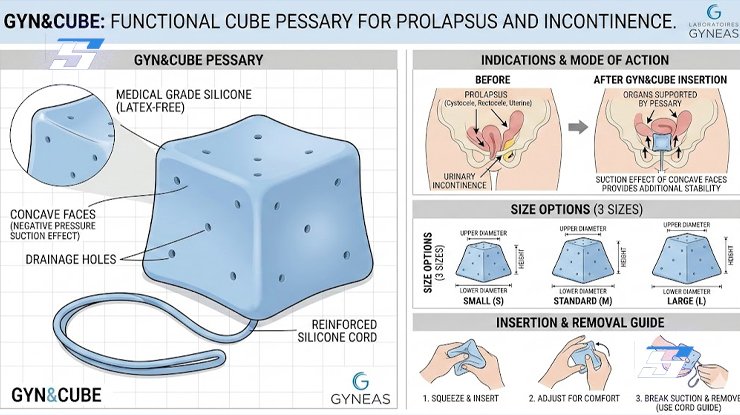
GyneCube is a small, cube-shaped device that is placed inside the vagina to give support to the pelvic organs. It is also called a cube pessary. The device is usually made from soft, medical-grade silicone, which is safe and comfortable to wear.
A pessary is not a new idea. Doctors have been using pessaries for hundreds of years to help women with pelvic problems. The cube shape, however, is a more modern design that offers strong support without the need for surgery.
GyneCube helps women who have a condition called pelvic organ prolapse (POP). It also helps women who experience stress urinary incontinence, which means leaking urine during physical activity like running, lifting, or laughing.
What Is Pelvic Organ Prolapse?

To understand why GyneCube is useful, it helps to first understand what pelvic organ prolapse means.
Your pelvic floor is a group of muscles and tissues at the bottom of your pelvis. These muscles hold your pelvic organs in place. These organs include the bladder, uterus, and rectum. When the pelvic floor becomes weak, one or more of these organs can slide downward into or out of the vagina.
This condition is called pelvic organ prolapse. It can happen for many reasons. Common causes include:
- Pregnancy and childbirth
- Getting older and reaching menopause
- Lifting heavy things over a long period of time
- Being overweight
- Long-term coughing or constipation
Women with prolapse often feel a heavy or dragging sensation in the vagina. Some feel like something is falling out of their body. Others have problems with bladder or bowel control. These symptoms can affect daily life and make women feel uncomfortable or embarrassed.
The good news is that prolapse does not always need surgery. Many women manage their symptoms very well using a pessary like GyneCube.
How Does GyneCube Work?
GyneCube works in a clever and simple way. Its cube shape allows it to stay in place inside the vagina without falling out. The six sides of the cube have slightly curved or concave surfaces. When the device is placed inside the vagina, these curved sides press gently against the vaginal walls. This creates a small amount of suction that holds the device in position.
Because it stays in place through suction rather than just size, GyneCube can support the pelvic organs even when the vaginal muscles are weak. This makes it a good option for women who have more serious or advanced stages of prolapse.
The device lifts and supports the organs from inside, which helps reduce the feeling of pressure and heaviness. It also helps to reduce urine leakage during movement, because the extra support helps to keep the bladder in the correct position.
Most women do not feel GyneCube once it is properly fitted. When the size is right, it sits comfortably inside the vagina and does not get in the way of daily activities.
Who Can Use GyneCube?
GyneCube is mainly recommended for women who:
- Have been diagnosed with moderate or severe pelvic organ prolapse (stage 2 or higher)
- Find that other types of pessaries do not stay in place
- Want to manage prolapse without having surgery
- Experience bladder leakage during exercise or physical activity
- Want a flexible, removable treatment option
Doctors often suggest a pessary as a first step before thinking about surgery. It is also a good choice for women who are not healthy enough for an operation, who are still planning to have children, or who simply prefer to avoid surgery.
It is important to know that GyneCube is not right for everyone. Women who have an active vaginal infection, severe narrowing of the vagina, or unexplained vaginal bleeding should not use a pessary until those issues are treated. Always speak with your doctor before starting any new treatment.
How Is GyneCube Fitted?
Getting the right size is one of the most important steps. A pessary that is too small can fall out. One that is too large can be uncomfortable and cause pressure.
The fitting process is done by a doctor, gynecologist, or pelvic floor specialist. During the appointment, the doctor will:
- Do a vaginal examination to check the type and stage of prolapse
- Choose a size that matches your body
- Place the device inside to see how it feels
- Ask you to walk, cough, or strain to make sure it stays in place
It sometimes takes a couple of visits to find the perfect size. This is normal. Once the right size is found, many women feel a big difference right away.
How Do You Take Care of GyneCube?
One important thing to know about GyneCube is that it needs to be removed and cleaned every day. Unlike some other types of pessaries that can stay in place for weeks or months, a cube pessary must be taken out at night and washed.
Here is a simple daily routine to follow:
- Remove the GyneCube at night before going to sleep
- Wash it with warm water and mild soap
- Rinse it well and dry it
- Store it in a clean container overnight
- Insert it again in the morning
Your doctor will teach you how to insert and remove the device yourself. Most women learn how to do this quite quickly.
Regular cleaning keeps the device hygienic and helps to prevent infection or irritation. If you notice any unusual smell, discharge, or discomfort, contact your doctor.
Is GyneCube Safe?
Yes, when used correctly and cleaned regularly, GyneCube is considered safe. It is made from medical-grade silicone, which is a material that does not absorb liquids and does not react with body tissue.
Research studies have shown positive results. A long-term study that followed over 200 women using a cube pessary for at least five years found that more than 88% of women reported feeling much better or very much better after using the device. That is a very high satisfaction rate for any treatment.
The most common side effects are mild and include:
- A small amount of vaginal discharge
- Minor irritation during the fitting process
Serious complications are rare. Following your doctor’s advice and keeping up with regular check-ups is the best way to stay safe.
It is also good to know that GyneCube does not cure pelvic organ prolapse. It helps to manage and reduce symptoms. If you stop using it, the symptoms may return.
Can You Have Sex While Using GyneCube?
This is a common question. Because a cube pessary fills much of the vaginal space, it is generally not possible to have vaginal intercourse while it is in place. The device would need to be removed first.
This is something to discuss with your doctor when choosing a type of pessary. If staying sexually active is important to you, your doctor can help you find a solution that works for your lifestyle.
GyneCube vs Other Pessaries
There are many types of pessaries available. The most common ones include the ring pessary, the donut pessary, and the Gellhorn pessary. Each has its own advantages.
The ring pessary is the most widely used and is a good starting point for mild to moderate prolapse. However, in cases where the pelvic muscles are very weak, a ring pessary may not stay in place.
This is where GyneCube has an advantage. Because it works through suction against the vaginal walls, it does not rely on vaginal muscle tone to stay in position. This makes it a better option for women with more advanced prolapse or for those who have tried other pessaries without success.
Your doctor will help you decide which type of pessary is best for your situation.
Tips for Getting the Best Results With GyneCube
Here are a few helpful tips to make your experience with GyneCube as comfortable as possible:
- Always get professionally fitted the first time
- Follow the daily removal and cleaning routine without skipping
- Attend all follow-up appointments with your doctor
- Tell your doctor right away if you feel pain or discomfort
- Ask your doctor about pelvic floor exercises to support your treatment
- Do not try to use GyneCube without medical guidance
Pelvic floor exercises, also called Kegel exercises, can be done alongside using GyneCube. They help to strengthen the muscles that support your pelvic organs. Your doctor or a pelvic physiotherapist can show you how to do them correctly.
Final Thoughts
GyneCube is a simple, safe, and effective tool for managing pelvic organ prolapse and bladder leakage without surgery. It is easy to use once you learn how, and it gives many women back their confidence and comfort in daily life.
If you are experiencing pelvic pressure, a dragging feeling, or urine leakage, do not ignore these symptoms. They are common, and help is available. Talk to your doctor about whether GyneCube or another type of pessary could be right for you.
You deserve to feel comfortable and in control of your body. Taking that first step and speaking with a healthcare professional is the most important thing you can do.
Frequently Asked Questions (FAQs) About GyneCube
1. What is GyneCube? GyneCube is a cube-shaped vaginal pessary made from medical-grade silicone. It is placed inside the vagina to support the pelvic organs and help with pelvic organ prolapse and bladder leakage.
2. Is GyneCube safe to use? Yes. When fitted correctly and cleaned every day, GyneCube is considered safe. It is made from a body-friendly material and serious side effects are very rare.
3. Does GyneCube cure pelvic organ prolapse? No, GyneCube does not cure prolapse. It helps to manage and reduce symptoms. If you stop using it, symptoms may return. It is a treatment tool, not a cure.
4. How often do I need to remove and clean GyneCube? GyneCube should be removed every night, washed with mild soap and warm water, and reinserted in the morning. Daily care is very important.
5. Can I exercise with GyneCube in place? Yes. Many women use GyneCube specifically to reduce bladder leakage during exercise. Once it is properly fitted, it should stay in place during normal physical activity.
6. Can I have sex with GyneCube inserted? No. Because the cube shape fills the vaginal space, sexual intercourse is not possible with GyneCube in place. It should be removed before sex.
7. How do I know what size of GyneCube I need? A doctor or pelvic health specialist will fit the correct size during an examination. Never try to choose the size yourself without professional guidance.
8. How long can I use GyneCube? Many women use a cube pessary for years. Research shows that the majority of women continue using their pessary successfully for five years or more, with high satisfaction levels.
9. What are the side effects of GyneCube? The most common side effects are mild vaginal discharge or minor irritation. Serious complications are rare. Contact your doctor if you notice pain, unusual discharge, or bleeding.
10. Is GyneCube a good alternative to surgery? For many women, yes. GyneCube is a good non-surgical option, especially for women who want to avoid surgery, are not healthy enough for an operation, or are still planning to have children. Your doctor can help you decide if it is the right choice for you.
Stay connected for the latest news and updates on, Sport Mega