


There is absolutely nothing better than diving into crisp, clear water when the mercury starts climbing. We all know how punishing an Australian summer can get. You blink, and suddenly the days are longer, the air is thick with humidity, and the kids are begging for a swim every single afternoon. Have you actually looked at your water lately, though? Leaving your backyard oasis sitting idle over winter usually means you have a fair bit of work to do before it is safe for a splash. Getting things sorted now prevents a massive headache when the next heatwave inevitably rolls through. It is not just about making it look pretty; it is about keeping the water safe, hygienic, and ready for those impromptu weekend barbecues. Tackling the preparation early takes the stress out of summer entertaining, ensuring you spend your weekends relaxing rather than fighting an uphill battle against algae and malfunctioning equipment.
Inspecting Your Filtration System and Hardware
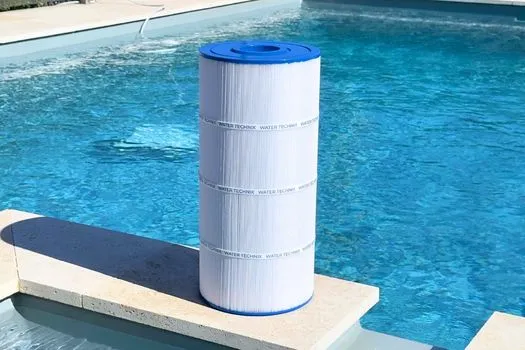
Before you even think about throwing chemicals into the water, you have to make sure the mechanical side of things is actually working. Winter downtime can be surprisingly tough on moving parts, especially if they have been sitting cold and unused for months. Turn everything on and just listen for a minute. Is the pump making a weird grinding noise? Are there any visible drips pooling around the pipes or the filter housing? Checking your rubber O-rings is a smart move right now. The dry winter air can cause these seals to crack, which leads to annoying pressure leaks and poor suction. Give the filter a proper backwash if you have a sand setup, or take out the cartridge and give it a thorough hose down to remove trapped dirt. If your filtration system is struggling or blocked, absolutely nothing else you do will keep that water clear once the intense sun starts baking it.
Balancing Your Water Chemistry the Right Way
Water chemistry sounds like a nightmare from high school science class, but it is the absolute backbone of a healthy swimming environment. You cannot just guess this stuff or throw a bucket of chlorine in and hope for the best. Grab a fresh testing kit or take a water sample down to your local shop for a professional reading. You need to look closely at your pH, total alkalinity, and calcium hardness before you even worry about sanitising. Why? Because if your pH is sitting way out of whack, any chlorine you add becomes practically useless. The intense ultraviolet rays we get down here will strip unprotected chlorine out of the water in a matter of hours. Adding a bit of cyanuric acid acts like sunscreen for your water, making sure your cleaning chemicals actually stick around long enough to kill off nasty bacteria. Furthermore, getting your calcium hardness right stops the water from leaching valuable minerals out of your concrete interior, which prevents costly structural damage down the road.
Winning the Battle Against Surface Debris
We are blessed with some incredible native trees across the country, but they drop an unbelievable amount of mess when the wind picks up. Gum leaves, blossoms, and stray twigs seem to magnetically attract themselves to the water surface. If you leave this stuff floating around, it eventually sinks, breaks down, and throws your carefully balanced chemistry completely out the window. Skimming by hand is a tedious chore that nobody actually enjoys doing after a long day at work. A much smarter approach is utilizing a dedicated pool surface skimmer to constantly patrol the top layer of the water. Letting an automated device catch all that floating organic matter before it has a chance to sink saves you a tremendous amount of manual labor. It also stops ugly tannin stains from marking your pristine interior, keeping the surface looking completely immaculate for whenever you are ready to jump in.
Deep Cleaning the Floor and Walls
Even with the top layer perfectly clear, you still have to deal with the submerged surfaces. Microscopic algae spores love to cling to the walls, hiding out in the shady corners or along the tight crevices of your entry steps. Giving the entire interior a really vigorous scrub with a stiff brush loosens up all that stubborn grime so your main filter can actually catch it. Of course, pushing a heavy brush around on the end of a long pole is exhausting physical work under the hot sun. When you are looking to reclaim your precious weekends, investing in a reliable pool cleaner is an absolute game changer. A good quality unit will happily map out the floor and walls, scrubbing away the unseen buildup while you sit back with a cold drink. It takes the hardest physical labor completely out of the equation and maintains a consistent level of cleanliness that is very hard to achieve manually.
Managing Evaporation and Consistent Water Levels
The sheer heat of a typical January afternoon drinks water at an astonishing rate. You might be surprised by just how much your water level drops over a single sweltering week of continuous sunshine. Keeping the level sitting exactly halfway up the skimmer box opening is crucial for your equipment to function properly. If it drops too low, your pump will suck in air, run dry, and potentially burn out the motor, leaving you with a massive repair bill just when you need to cool down the most. Chucking a decent cover over the top at night drastically cuts down on this rapid evaporation. It also holds in whatever heat the water naturally absorbed during the day, meaning fewer icy shocks when you dive in first thing in the morning for a few quiet laps.
Checking Your Safety Gates and Fencing
This is the most important step of the entire preparation process, hands down. Local council regulations are incredibly strict around backyard swimming areas for a very good reason. Take ten minutes out of your day to walk the entire perimeter of your safety fence. Check that the gate hinges are tight and that the latch clicks shut automatically from any open position, without you having to manually force it. Make sure there are no loose palings, broken glass panels, or overhanging tree branches that an adventurous toddler could use to climb over the barrier. Double-check that your CPR sign is clearly visible and in good condition. Safety is absolutely non-negotiable. Getting this sorted now gives you total peace of mind when the yard is full of energetic kids running around during the busy summer holidays.
Preparing for a Season of Backyard Entertaining
With the water sparkling beautifully, the equipment humming along smoothly, and the safety checks completely signed off, you are finally at the finish line. All that is left to do is hose down the surrounding paving, wipe the accumulated dust off your outdoor lounges, and maybe fire up the barbecue to make sure it is ready for immediate action. Prepping early takes a fair bit of effort upfront, but it pays off massively over the next few months. Instead of fighting green water and broken pumps in the middle of a December heatwave, you get to simply step outside, dive straight into the deep end, and enjoy the very best part of living in Australia. A little bit of smart maintenance right now guarantees a long, relaxing season of brilliant outdoor entertaining.