

Have you ever been to a concert, a sports game, or a theater show and someone at the door checked your ticket? That person has a very important job. In some countries and languages, especially in German-speaking parts of Europe, this person is called a Bilieter (pronounced: bee-lee-eh-ter). But a Bilieter is more than just someone who checks tickets at the door. The role covers a wide range of tasks that help events run smoothly and safely.
What Does the Word Bilieter Mean?
The word Bilieter comes from the German and Swiss German languages. It is used to describe a person who works with tickets at events. The word itself is based on “Billet,” which means “ticket” in French and German. A Bilieter, therefore, is someone who works with tickets, checks them, sells them, or manages the process of entry at an event.
In Switzerland and parts of Germany and Austria, you will often see this word used in the context of cinemas, theaters, sports stadiums, and public transport. The role is well-known in these regions and is considered an important part of event management.
In English, we might say “ticket inspector,” “usher,” or “gate attendant,” but the role of a Bilieter can include all of these responsibilities at once.
The Main Duties of a Bilieter
A Bilieter has several responsibilities. Let us look at them one by one:
1. Checking Tickets at the Entrance
The most common job of a Bilieter is to check that visitors have a valid ticket before they enter a venue. This means looking at the ticket carefully, scanning it with a device, or checking it visually. The goal is to make sure that only people with the right ticket can enter.
This task sounds simple, but it requires attention. A Bilieter must be able to spot fake tickets, outdated tickets, or tickets for the wrong event or date. With modern technology, many venues now use barcode scanners or QR code readers, which makes this job faster and more accurate.
2. Guiding Visitors to Their Seats
At large venues like theaters or concert halls, a Bilieter also helps guests find their seats. This is especially helpful for visitors who are new to the venue or for elderly and disabled guests who may need extra support.
Good guidance helps events start on time because fewer people get lost or confused. A friendly and helpful Bilieter can also make the whole experience more enjoyable for guests.
3. Managing Crowd Safety
A Bilieter also plays an important role in keeping the crowd safe. They watch for overcrowding at entrances and exits, make sure emergency exits are clear, and help manage the flow of people coming in and going out.
During big events, this responsibility is very serious. Too many people in one place can be dangerous. A trained Bilieter knows how to handle these situations calmly and professionally.
4. Providing Information and Customer Service
Many visitors have questions when they arrive at an event. Where is the toilet? Where can I buy food? What time does the show start? A Bilieter is often the first person a visitor talks to, so good communication skills are very important.
A helpful Bilieter creates a positive first impression for the whole event. When visitors feel welcomed and informed, they enjoy the experience more.
5. Handling Ticket Problems
Sometimes a visitor’s ticket does not scan correctly, or a guest has lost their ticket. A Bilieter needs to know how to deal with these situations. They may need to call a supervisor, check a guest list, or verify a purchase on a phone or printout.
Patience and problem-solving skills are key here. The goal is to help the visitor while also keeping the event secure.
Where Do Bilieters Work?
Bilieters can work in many different places. Here are some common examples:
- Theaters and opera houses
- Cinemas and film festivals
- Sports stadiums for football, ice hockey, or tennis
- Music concerts and festivals
- Museums and exhibitions
- Public transport systems (trains, trams, buses)
In public transport, a Bilieter might travel with passengers and check that everyone has a valid ticket for their journey. In a theater, they may stand at the door and also help people to their seats. The environment changes, but the core duties remain similar.
Skills Needed to Be a Good Bilieter
If you want to work as a Bilieter, there are several skills that will help you succeed:
- Communication: You will speak with many people every day. Being clear and polite is very important.
- Attention to Detail: You must check tickets carefully and notice if something does not look right.
- Calm Under Pressure: Events can be busy and stressful. Staying calm helps you make better decisions.
- Physical Fitness: You will often stand for long periods and may need to walk around a large venue.
- Problem-Solving: Not everything goes according to plan. You need to think quickly and find solutions.
- Teamwork: A Bilieter works with other staff, security, and management. Working well with others is key.
In many cases, no special education is required to become a Bilieter. On-the-job training is common. However, some employers prefer candidates who have experience in customer service or have completed a course in event management or security.
The Role of Technology in Modern Ticket Management
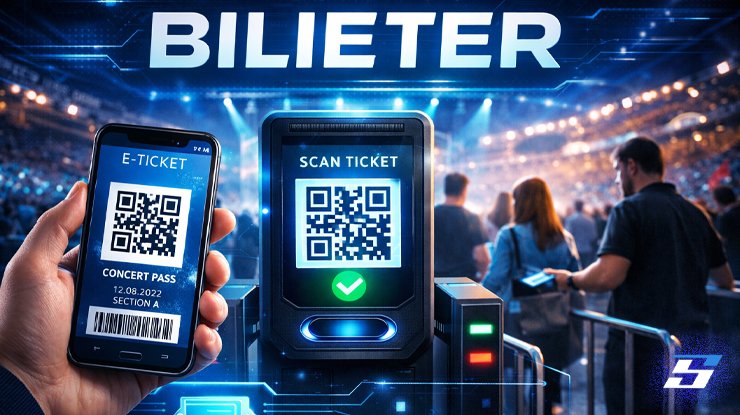
The world of ticket management has changed a lot in recent years. In the past, tickets were always physical pieces of paper. Today, many people use digital or e-tickets on their smartphones. This change has affected the work of a Bilieter in several ways.
QR Codes and Barcode Scanners
Most modern venues now use QR codes or barcodes on tickets. A Bilieter uses a handheld scanner to read these codes. When the code is valid, the scanner shows a green light or a checkmark. When the ticket is already used or invalid, the scanner shows a red warning.
This system is faster than checking paper tickets by hand and also reduces the chance of mistakes. It also helps prevent fraud, as each code can only be scanned once.
Online Ticketing Platforms
Many events now sell tickets through online platforms. Customers can buy tickets from home and receive them by email or through an app. This means fewer physical tickets are printed, which is also better for the environment.
For the Bilieter, this means working with digital systems and knowing how to handle situations where a visitor’s phone battery has died or the ticket app is not working properly.
Access Control Systems
Some large venues use automated access control systems with turnstiles or gates. Visitors scan their own ticket, and the gate opens automatically. In these cases, a Bilieter may stand nearby to assist visitors who have trouble with the system or to handle special cases like guests with disabilities.
Why Ticket Management Matters for Events
Good ticket management is essential for any successful event. Here is why it matters so much:
Protecting Revenue
Events cost a lot of money to organize. Ticket sales are often the main source of income. If people enter without paying, the organizers lose money. A Bilieter helps ensure that only paying guests get inside, which protects the financial success of the event.
Ensuring Safety
Venues have a maximum number of people they can safely hold. This is called the capacity. If too many people enter, it becomes dangerous. Ticket management helps control the number of people inside at any time, keeping everyone safe.
Creating a Good Experience
When entry is organized and efficient, visitors feel good about the event from the very beginning. A long, confusing queue at the entrance can put people in a bad mood before the show even starts. A well-managed entry process sets the tone for a great experience.
Bilieter in Switzerland: A Cultural Perspective
In Switzerland, the term Bilieter is especially common and well-respected. Swiss culture places a high value on order, punctuality, and professionalism. These values fit well with the role of a Bilieter, where precision and reliability are essential.
Swiss theaters, concert halls, and sports venues are known for being well-organized. The Bilieter is a key part of this organization. They are often trained professionally and expected to represent the venue in a polite and helpful way.
In Swiss public transport, ticket inspectors (also sometimes called Bilieters) play an important role in ensuring that all passengers have valid tickets. The system relies heavily on trust, but inspectors check regularly to make sure the rules are followed.
How to Become a Bilieter
If this job sounds interesting to you, here are some steps you can take to become a Bilieter:
- Look for job openings: Many theaters, cinemas, stadiums, and transport companies regularly hire Bilieters. Check online job boards or visit the venue directly.
- Gain customer service experience: If you have worked in retail, hospitality, or any customer-facing role, this experience is very valuable.
- Learn to use ticket systems: Some employers will train you on their specific system, but having basic computer and smartphone skills will help.
- Be available for evenings and weekends: Most events happen at night or on weekends, so flexibility is important.
- Show a positive attitude: Employers want someone who is friendly, responsible, and good with people.
In some countries, working as a Bilieter can be a part-time or seasonal job. For others, it is a long-term career in event management. Either way, it is a role that offers variety, human interaction, and the chance to be part of exciting events.
Common Challenges Faced by Bilieters
Like any job, working as a Bilieter comes with its challenges. Here are some of the most common ones:
- Difficult visitors: Not everyone is patient or polite. A Bilieter must stay calm and professional even when dealing with frustrated or rude guests.
- Fake or invalid tickets: Spotting a fake ticket is not always easy, especially when they look very similar to real ones.
- Large crowds: Managing many people at once can be stressful, especially at sold-out events.
- Technical problems: Scanners can break, apps can crash, and systems can fail. A Bilieter needs to know what to do when technology does not cooperate.
- Working in all weather: For outdoor events, a Bilieter may need to work in rain, heat, or cold.
Despite these challenges, many people enjoy the work because every event is different and the job offers a chance to meet many interesting people.
Conclusion
A Bilieter is much more than someone who just stands at the door. This person plays a central role in making events safe, enjoyable, and well-organized. From checking tickets and guiding visitors to managing crowds and solving problems, the Bilieter is often the unsung hero of any event.
As technology continues to change how tickets are sold and checked, the role of the Bilieter is also evolving. But the human element, being friendly, helpful, and professional, will always remain important.
Whether you are attending an event or thinking about a career in this field, understanding the role of the Bilieter gives you a new appreciation for the people who work hard behind the scenes to make every experience a great one.
Frequently Asked Questions (FAQs)
Q1: What is a Bilieter? A Bilieter is a person who manages tickets at an event or venue. They check tickets, guide visitors, and help maintain order and safety. The word is commonly used in German-speaking countries like Switzerland, Germany, and Austria.
Q2: Is Bilieter a German word? Yes, Bilieter is a German word that comes from “Billet,” meaning ticket. It is used in Swiss German and standard German to describe a ticket checker or ticket handler at events and on public transport.
Q3: What is the difference between a Bilieter and a security guard? A Bilieter focuses on ticket checking, customer service, and helping visitors. A security guard focuses more on physical safety and preventing threats. At many events, both roles exist side by side and work together.
Q4: Do Bilieters work only at concerts? No. Bilieters work in many different places, including theaters, cinemas, sports stadiums, museums, and on public transport. Any place where tickets are used may have a Bilieter.
Q5: Do you need a qualification to become a Bilieter? In most cases, no formal qualification is needed. Employers usually provide on-the-job training. However, having experience in customer service or event management can be a big advantage.
Q6: How do Bilieters check digital tickets? Bilieters use handheld scanners or tablet devices to scan QR codes or barcodes on digital tickets. The system confirms whether the ticket is valid and has not been used before.
Q7: What should I do if my ticket does not scan properly? Stay calm and speak politely to the Bilieter. They are trained to help in these situations. They may check your booking confirmation, ask for your ID, or contact a supervisor to resolve the issue.
Q8: Is working as a Bilieter a full-time job? It depends on the employer. Some Bilieters work full-time, especially in public transport or large venues. Others work part-time or on a casual basis for specific events.
Q9: What languages should a Bilieter speak? This depends on the location and the type of events. In tourist areas or international venues, speaking multiple languages is very helpful. At minimum, good communication skills in the local language are essential.
Q10: How has technology changed the role of the Bilieter? Technology has made ticket checking faster and more accurate with the use of scanners and digital tickets. While some tasks have become automated, the human role of providing customer service, solving problems, and managing crowds remains very important.
Stay connected for the latest news and updates on, Sport Mega