



Every year, millions of people around the world stop their normal daily routines for one very special week. Streets fill with the sound of drums. The smell of incense drifts through old city streets. Huge, beautifully decorated floats move slowly through narrow roads while crowds watch in silence. This is Semana Santa, and it is one of the most powerful religious and cultural events on earth.
Whether you are already familiar with this celebration or hearing about it for the first time, this article will walk you through everything you need to know about Semana Santa 2025. From its history and meaning to how it is celebrated in different countries, you will find it all here.
What Does “Semana Santa” Mean?
Semana Santa is a Spanish phrase. It simply means “Holy Week” in English. It is the week that Christians use to remember and honor the final days of Jesus Christ’s life on earth. This includes His arrival in Jerusalem, His last supper with His disciples, His arrest, His crucifixion, and finally His resurrection on Easter Sunday.
The week holds deep religious meaning for Christians around the world. For many people, it is the most important week of the entire Christian calendar, even more significant than Christmas. It is a time for prayer, reflection, and community.
When Is Semana Santa 2025?
One of the most common questions people ask is: “When exactly does Semana Santa happen?”
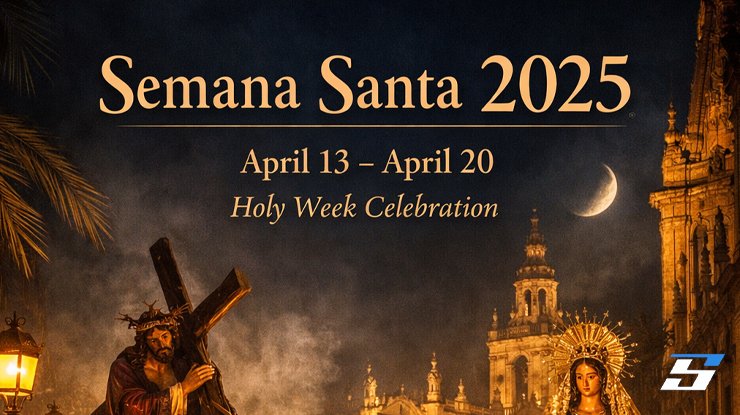
In 2025, Semana Santa runs from Sunday, April 13 to Sunday, April 20. It begins on Palm Sunday and ends on Easter Sunday.
Here is a quick look at each day of the week:
| Date | Day | What It Represents |
|---|---|---|
| April 13 | Palm Sunday | Jesus enters Jerusalem |
| April 14 | Holy Monday | Jesus clears the temple |
| April 15 | Holy Tuesday | Jesus teaches in the temple |
| April 16 | Holy Wednesday | Judas agrees to betray Jesus |
| April 17 | Holy Thursday (Maundy Thursday) | The Last Supper |
| April 18 | Good Friday | The crucifixion of Jesus |
| April 19 | Holy Saturday | A day of waiting and silence |
| April 20 | Easter Sunday | The resurrection of Jesus |
Why Do the Dates Change Every Year?
You may have noticed that Semana Santa does not fall on the same dates each year. This is because Easter follows the lunar calendar. Easter Sunday is always celebrated on the first Sunday after the first full moon that comes after the spring equinox (March 21). Because of this rule, Holy Week can happen anytime between late March and late April. In 2025, the calculation places Easter on April 20, making this a mid-April celebration.
A Brief History of Semana Santa
The roots of Semana Santa go back almost 2,000 years. In the early centuries of Christianity, believers began marking the final days of Jesus’ life with special prayers and gatherings. By the fourth century, Christian communities were already setting aside this week for specific religious observances.
During the Middle Ages, religious brotherhoods in Europe began organizing public processions. These groups, called “cofradías” in Spanish, carried statues and images related to the story of Jesus’ suffering and death. These processions helped ordinary people who could not read understand the events of the Bible through visual storytelling.
Spain became one of the most important centers of Semana Santa tradition, especially during the 16th and 17th centuries. When Spanish explorers and missionaries traveled to the Americas and the Philippines, they brought these traditions with them. Over time, each country added its own local colors, music, and customs, creating the rich variety of celebrations we see today.
How Is Semana Santa Celebrated in Spain?
Spain is arguably the most famous country in the world for Semana Santa celebrations. Cities like Seville, Malaga, Granada, Toledo, and Zamora are known for producing some of the most moving and spectacular events of the entire year.
The Processions
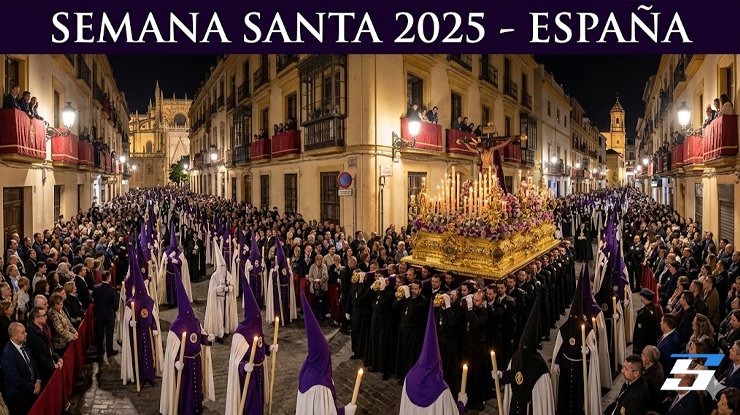
The heart of Spanish Semana Santa is the religious procession. Members of local brotherhoods, dressed in long robes and pointed hoods, walk slowly through the streets carrying heavy decorated floats called “pasos.” These floats hold beautiful, lifelike wooden sculptures that show scenes from the Passion of Christ or images of the Virgin Mary. Some of these floats weigh several tons and require hundreds of people to carry them.
Walking beside or behind the floats are “nazarenos,” the robed members of the brotherhood. Many also carry tall candles or wooden crosses. The atmosphere is deeply solemn, and spectators often watch in silence.
The Music
Music plays a huge role in the Spanish celebration. Brass bands accompany many processions, playing slow, emotional march music. You may also hear “saetas,” which are traditional religious songs sung spontaneously from balconies or windows as processions pass below. A good saeta can stop an entire procession in its tracks as people stop to listen.
Seville
Seville holds what many consider the most spectacular Semana Santa in Spain, and possibly in the world. Nearly sixty brotherhoods take to the streets between Palm Sunday and Easter Sunday. The Good Friday procession, called “La Madrugá,” begins in the early hours of the morning and is considered one of the most emotionally powerful events of the whole week.
Malaga
Malaga is known for combining deep religious feeling with a festive coastal spirit. One of the most famous moments is the parade of the Spanish Legion on Maundy Thursday, where elite soldiers carry the image of Christ of the Good Death through the streets accompanied by their military band.
Granada
In Granada, processions wind through the historic Albaicín neighborhood with the stunning Alhambra palace as a backdrop. The Cristo de los Gitanos procession is particularly famous, ending in music and celebration as the night goes on.
Semana Santa Around the World
While Spain is the most famous, Semana Santa is celebrated with great passion in many other countries as well.
Mexico
In Mexico, Semana Santa is one of the biggest events of the year. Schools often close for two full weeks. Cities like Taxco, Iztapalapa, and Oaxaca are known for their dramatic reenactments of the Passion of Christ, where actors play out the events of Jesus’ final days in the streets. Traditional foods like “capirotada,” a type of sweet bread pudding made during Lent, are enjoyed by families throughout the week.
Guatemala
Guatemala’s Semana Santa, especially in the colonial city of Antigua, is considered one of the most visually stunning in all of Latin America. One of the most unique traditions is the creation of “alfombras,” which are large, colorful carpets made from dyed sawdust, flowers, pine needles, and fruit. Families and community members spend many hours carefully crafting these beautiful works of art along the procession route. When the procession passes, the carpet is walked over and destroyed. This powerful act is seen as a symbol of the short and precious nature of life.
Philippines
The Philippines has one of the most intense Semana Santa traditions outside of Europe and Latin America. In some communities, individuals take part in very physical acts of devotion, including carrying large crosses through town. The week is marked by deep personal faith and community prayer.
Dominican Republic and Other Caribbean Countries
In countries like the Dominican Republic, Semana Santa is a time that blends quiet prayer with family togetherness. Mornings are typically reserved for church services and reflection, while evenings are spent sharing traditional meals with loved ones. Public holidays are observed, and the pace of daily life slows considerably.
The Most Important Days of Holy Week
While the whole week holds spiritual meaning, a few days stand out as especially significant.
Palm Sunday (April 13)
Holy Week begins with Palm Sunday, which remembers Jesus’ triumphal entry into Jerusalem. According to the Bible, crowds welcomed Him by laying palm branches on the road before Him. Churches around the world bless palm leaves on this day and hand them to worshippers. This marks the beginning of celebrations in cities everywhere.
Maundy Thursday (April 17)
Also known as Holy Thursday, this day commemorates the Last Supper, the final meal Jesus shared with His disciples before His arrest. It is also the day He washed the feet of His disciples, showing humility and service. Many churches hold special foot-washing ceremonies on this evening. In Spain, this is a public holiday in most regions and one of the busiest days for processions.
Good Friday (April 18)
Good Friday is widely considered the most solemn day of the entire week. It marks the crucifixion and death of Jesus Christ. In many countries, this is a public holiday. People fast, attend church services, and join large processions. In Spain, Good Friday brings the biggest and most emotional processions of the whole week. Many people dress in black, and the mood throughout the day is one of quiet grief and respect.
Easter Sunday (April 20)
Easter Sunday is the joyful end to the week. It celebrates the resurrection of Jesus Christ, which is the central belief of the Christian faith. Church bells ring, families gather for meals, and the tone shifts from sadness to hope and happiness. In many countries, this is also a time for children and family activities, flowers, and celebrating new life.
Traditional Foods of Semana Santa
Food is an important part of Semana Santa in many cultures. Since Good Friday is a day of fasting and many people avoid meat throughout the week, seafood dishes and vegetarian foods become very popular.
In Spain, “torrijas” are one of the most beloved Semana Santa treats. These are slices of bread soaked in milk or wine, then dipped in egg and fried until golden. They are then sprinkled with cinnamon and sugar. The tradition of making torrijas during Holy Week dates back hundreds of years.
Another Spanish classic is “potaje de vigilia,” a hearty stew made with cod, chickpeas, and spinach. It is eaten on Good Friday as a fasting meal. In Mexico, capirotada is the go-to sweet during this season. In other Latin American countries, families prepare fish soups, stews, and traditional sweets that are only made during this time of year.
Why Semana Santa Still Matters Today
In a world where things move fast and people are always busy, Semana Santa offers something rare: a reason to stop, reflect, and connect with something bigger than everyday life.
For religious believers, it is a week of deep spiritual renewal. It is a time to reconnect with faith, attend church, pray, and think seriously about the themes of sacrifice, forgiveness, and hope.
For many others, even those who may not consider themselves deeply religious, Semana Santa is a cultural touchstone. It is a time to be with family, to honor traditions passed down from grandparents and great-grandparents, and to feel part of a larger community and story.
And for travelers and curious observers, Semana Santa is simply one of the most remarkable human experiences available anywhere in the world. The processions, the music, the artistry of the floats, the emotion on people’s faces — these are things that stay with you long after the week is over.
Tips for Traveling During Semana Santa 2025
If you are planning to visit Spain or Latin America during Semana Santa 2025, here are some helpful things to keep in mind:
Book early. Semana Santa is one of the busiest travel periods of the year. Hotels, flights, and rental cars fill up quickly. It is best to plan and book several months in advance.
Dress respectfully. When attending processions or entering churches, wear modest clothing. Covered shoulders and long pants or skirts are appropriate. This is a deeply religious event for many people.
Arrive early for processions. Good spots along the procession routes fill up hours before the processions begin. Arriving early means you get a better view and a more comfortable experience.
Be patient with travel. Roads, trains, and airports are extremely busy during this week. Build extra time into your travel plans and expect some delays.
Stay quiet during processions. Unlike a parade or festival, religious processions in Spain and many other countries are solemn events. Keep noise low out of respect for participants and worshippers.
Final Thoughts
Semana Santa 2025 is more than just a religious holiday. It is a week that connects millions of people across generations, cultures, and continents through a shared story of faith, sacrifice, and renewal. Whether you experience it through the solemn processions of Seville, the colorful carpets of Antigua, the passionate reenactments of Taxco, or simply a quiet church service in your own town, the week carries a meaning that stays with you.
If you ever get the chance to witness Semana Santa in person, take it. There are very few experiences anywhere in the world that combine history, art, music, community, and spiritual depth in quite the same way. It is something that, once seen, is never forgotten.
Frequently Asked Questions About Semana Santa 2025
1. What does Semana Santa mean in English? Semana Santa means “Holy Week” in English. It refers to the week leading up to Easter Sunday, from Palm Sunday to Easter Sunday.
2. When is Semana Santa 2025? Semana Santa 2025 takes place from April 13 (Palm Sunday) to April 20 (Easter Sunday).
3. Why do the dates of Semana Santa change every year? Because Easter is based on the lunar calendar. Easter Sunday falls on the first Sunday after the first full moon following March 21 (the spring equinox). This means the dates change each year.
4. Which country has the most famous Semana Santa celebrations? Spain, particularly the city of Seville, is widely considered to have the most famous and spectacular Semana Santa celebrations in the world. Guatemala’s Antigua is also extremely well known, especially for its colorful alfombras.
5. Is Good Friday a public holiday during Semana Santa? In Spain, Good Friday is a national public holiday. Many Latin American and Caribbean countries also observe it as a public holiday. Rules vary by country and region.
6. Can non-Christians attend Semana Santa processions? Yes, absolutely. Semana Santa processions are public events and anyone can watch and participate respectfully. The key is to dress modestly and behave respectfully, as these are religious events for many of the participants.
7. What food do people eat during Semana Santa? Traditional foods vary by country. In Spain, popular foods include torrijas (similar to French toast) and potaje de vigilia (a cod and chickpea stew). In Mexico, capirotada (a sweet bread pudding) is popular. Seafood and fish dishes are common throughout Holy Week since many people avoid meat.
8. What is the most important day of Semana Santa? Good Friday and Easter Sunday are generally considered the two most significant days. Good Friday marks the crucifixion of Jesus, and Easter Sunday celebrates His resurrection.
9. What are “pasos” in Semana Santa? Pasos are the large, decorated floats used in Spanish Semana Santa processions. They carry beautifully crafted wooden sculptures depicting scenes from the Passion of Christ or images of the Virgin Mary. Some pasos are extremely heavy, requiring over 200 people to carry them.
10. Is Semana Santa only celebrated in Catholic countries? While it is most prominent in Catholic countries like Spain, Mexico, Guatemala, and the Philippines, Semana Santa or Holy Week is also observed by other Christian denominations around the world, including in Protestant, Orthodox, and Anglican communities, though the traditions and customs may look quite different.
Stay connected for the latest news and updates on, Sport Mega